
RULES AND ORDER
2026-09-02 | BY Zheng Zhihua
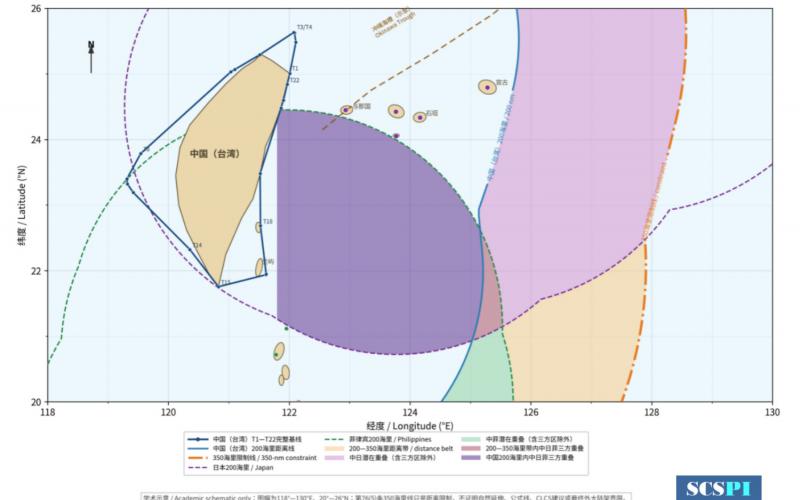
This Article examines the legal and geopolitical implications of the 2026 decision by Japan and the Philippines to negotiate exclusive-economic-zone and continental-shelf boundaries in waters east of Taiwan. It asks whether the contemplated area is legally separable from China’s claims, whether a bilateral line could prejudice third-party rights, what responses remain open to China, and which actor is altering the status quo. Beginning from the principle that the land dominates the sea, the Article argues that coastal projections from Taiwan’s eastern coast, Japan’s Sakishima/Yaeyama Islands, and the Philippines’ Batanes Islands may substantially overlap. The fact that Japanese and Philippine features lie less than 400 nautical miles apart establishes a possible bilateral overlap, but not an exclusively bilateral geography; continental-shelf entitlements may also extend beyond 200 nautical miles under Article 76 of UNCLOS. Because Japan and the Philippines have disclosed neither a negotiating map nor controlling base points, coordinates, or endpoints, they have not demonstrated the separability of the proposed delimitation area. Although a bilateral treaty cannot bind China without its consent, a fixed endpoint and the incorporation of coordinates into charts, licences, enforcement practices, or security arrangements could prejudice China’s legal and practical position. International jurisprudence therefore supports geographic restraint, open endpoints, and effective non-prejudice safeguards. China may preserve its claims through diplomatic representations, protests, and maritime presence according international and domestic law. Finally, the parallel expansion of Japan–Philippines defense cooperation creates a risk of securitizing the boundary and may blur their one-China positions by implying who is entitled to represent Taiwan-facing coasts.
2026-08-02 | BY Bao Yinan
On July 27, the U.S. “Department of War” released the Annual Freedom of Navigation Report for Fiscal Year 2025 (hereinafter the “2025 Annual Report”) on its official website. This is also the first edition of the Annual Freedom of Navigation Report issued since the U.S. Department of Defense was “renamed” the “Department of War” in September 2025.
2026-07-14 | BY Zheng Zhihua
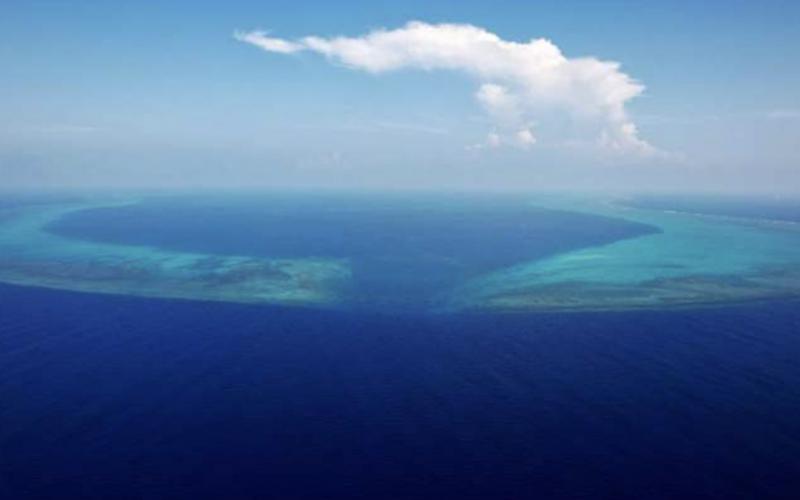
The South China Sea will ultimately be stabilised not by legal absolutism, but by political accommodation grounded in international law, sustained dialogue and regional ownership. Those objectives remain more important today than they were when the award was issued ten years ago.
2026-04-17 | BY Bao Yinan
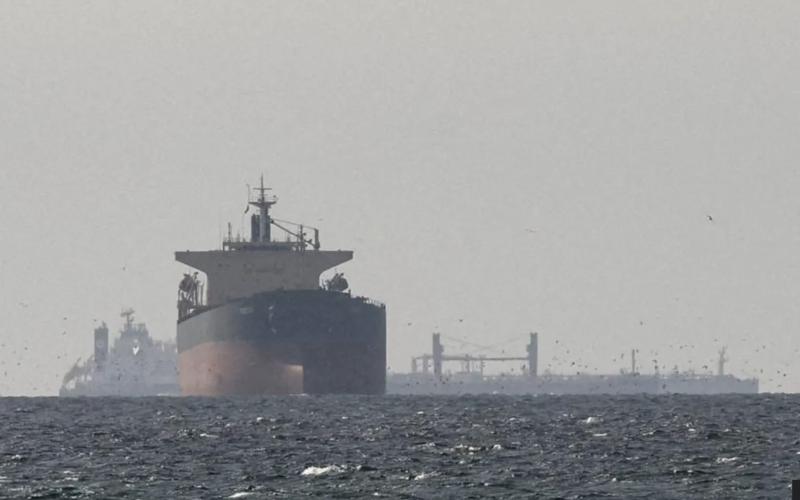
Against the backdrop of the lack of substantive progress in the U.S.-Iran talks held in Islamabad over the weekend of April 11-12, the U.S. military has been imposing a formal maritime blockade on traffic entering and leaving Iranian ports as well as the Iranian coast since April 13.
2026-02-04 | BY Mu Jiahao
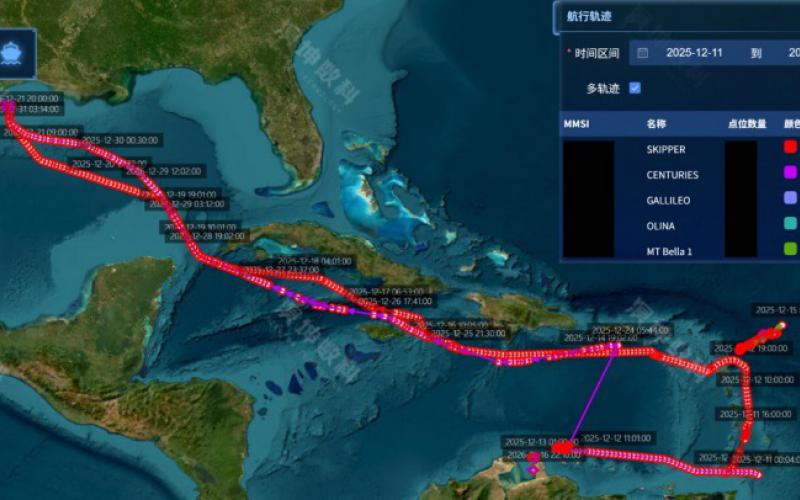
Since December 2025, the US has boarded and seized 7 tankers involved in Venezuelan oil transportation and trade within “international waters” of the Caribbean Sea and North Atlantic. This series of seizures should be viewed as an extension of the maritime blockade against Venezuela initiated by the US in December 2025, albeit with a broader scope and involving more nations. Among the 7 seized tankers, some were owned by US-sanctioned entities, others had transported crude oil to countries such as Russia and Iran, and several even had connections to China. The legal basis cited by the US for this series of seizures combines domestic and international law, encompassing unilateral sanctions alongside counter-narcotics and counter-terrorism measures. Understanding this “hybrid lawfare” initiated by the US in the Caribbean is key to comprehending the US maritime strategy.
2025-10-09 | BY Dong Shijie
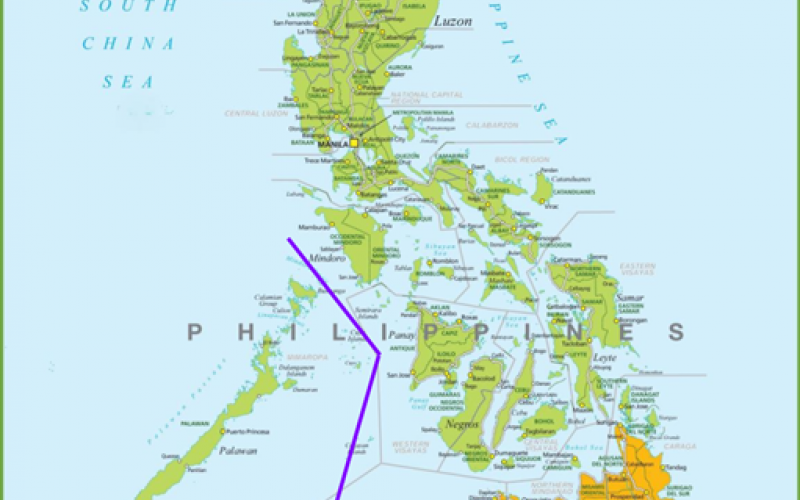
If the Philippines implements the partial provisions of the Act that violate UNCLOS, it would have the following negative impacts on the passage of all other countries’ ships and aircraft: Firstly, it would reduce the number of archipelagic sea lanes. By only designating 3 sea lanes and refusing to designate the remaining sea lanes, as well as denying foreign ships and aircraft the exercise of the right of arhipelagic sea lanes passage through all other routes normally used for international navigation, the implementation of the Act would significantly reduce the number of archipelagic sea lanes available for foreign ships and aircraft, especially the absence of the east-west sea lanes crossing the middle of the Philippines. Secondly, it would restrict or even deny the right of archipelagic sea lanes passage. As for the designated limited archipelagic sea lanes, the Act seeks to expand Philippine control over foreign ships and aircraft, and even to completely deny the passage right of foreign ships and aircraft in the name of violating the principle of reciprocity and mutual respect. Therefore, once the Philippines starts to enforce the Act, it would inevitably impair the passage rights of all other countries’ ships and aircraft.

2025-07-12 | BY Zheng Zhihua
For the Philippines and its Western allies, the ruling was hailed as a triumph of “the rules-based international order.” Yet, for China and many others across the Global South, the award represents something far more problematic: a legal instrument cloaked in neutrality but rooted in a Eurocentric vision of international law. Rather than paving a path to peaceful settlement, the ruling has undermined the credibility of legal mechanisms under the United Nations Convention on the Law of the Sea (UNCLOS), exacerbating regional tensions and entrenching mistrust.
2025-07-09 | BY Yu Minna
Over the past 70 years, China’s role and contributions in safeguarding maritime safety in the South China Sea have been widely recognized. Especially in the past decade, China has made steady and commensurate contributions through initiatives such as providing intelligent navigation services, strengthening maritime disaster prevention and mitigation, developing an integrated sea-air search and rescue system, and deepening international cooperation against transnational maritime crimes.

2025-06-21 | BY Bao Yinan
目前距离中菲两国有机会将南海部分争端提交到国际调解院尚有半年以上的时间。在这一“窗口期”内,两国完全应当通过外交渠道交换意见,试探运用国际调解院的调解机制解决部分争端的可能性。如果中国和菲律宾两国能够真诚地以缓和南海局势,共同打造安全、有序的南海海洋秩序为目的,尝试运用国际调解院的调解机制将是百利而无一弊的。国际调解院的调解机制完全可以作为中菲两国在谈判和法律方法之间寻求“中间性质”的和平解决争端方法的工具箱中值得认真考虑的一种。

2024-01-26 | BY Zheng Zhihua
The critical examination of the reasoning of arbitral ruling unveils the fragility of its finding regarding the Shoal's nature. The dependence on Philippines' selective and decontextualized claims, alongside antiquated evidentiary material, casts serious doubt on the finding's impartiality and accuracy.